Agency serves over 22,000 has. farmlands
TACLOBAN CITY — The National Irrigation Administration in Eastern Visayas (NIA-8) is preparing measures to help rice farmers cope with declining irrigation water supplies as the region braces for the possible impacts of Super El Niño and prolonged dry conditions.
Engr. Haydee Amante, NIA-8 Operations Section chief, said the agency is closely monitoring its irrigation facilities and coordinating with concerned government agencies and local government units to ensure the efficient use and distribution of available water.
She assured farmers that NIA-8 would exhaust all possible measures to ensure that irrigation water reaches farming communities, while urging them to participate in consultations and meetings to stay informed about changes in irrigation schedules and water management policies.
“We should not take this lightly. We must prepare now to prevent severe impacts, as we also expect our water supply to decrease further. At NIA, we will do everything we can to ensure that water reaches the farmers. We only ask them to attend meetings so they will be informed of any changes,” Amante said.
She noted that although some parts of Eastern Visayas continue to experience afternoon rains, the precipitation has not been sufficient to significantly replenish water supplies in dams.
Among the measures being considered if drought conditions worsen is the installation of shallow tube wells in farmlands to provide additional water for crops and help sustain agricultural production.
NIA-8 is also coordinating with the Department of Agriculture to explore alternative livelihood assistance for rice farmers whose fields may no longer be suitable for rice cultivation because of inadequate water supplies.
Amante said some farmers have already begun shifting to alternative crops, including sweet potatoes and corn, which generally require less water than rice. Such adjustments could help farmers reduce potential losses if prolonged dry conditions further limit irrigation.
The agency is encouraging farmers to adopt water-saving practices and work closely with irrigation officials in managing available resources. Cooperation among farmers is considered essential to ensure that limited water supplies are distributed efficiently among communities dependent on irrigation systems.
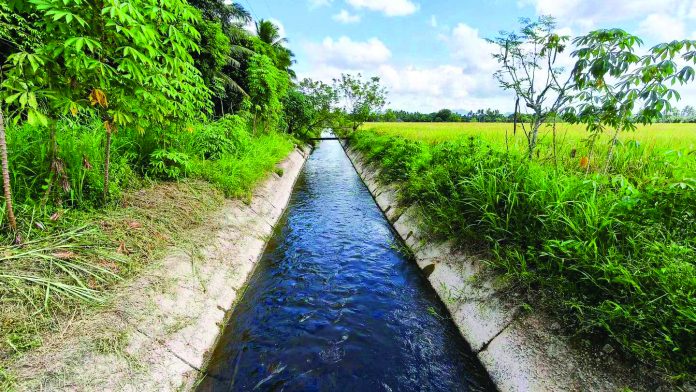
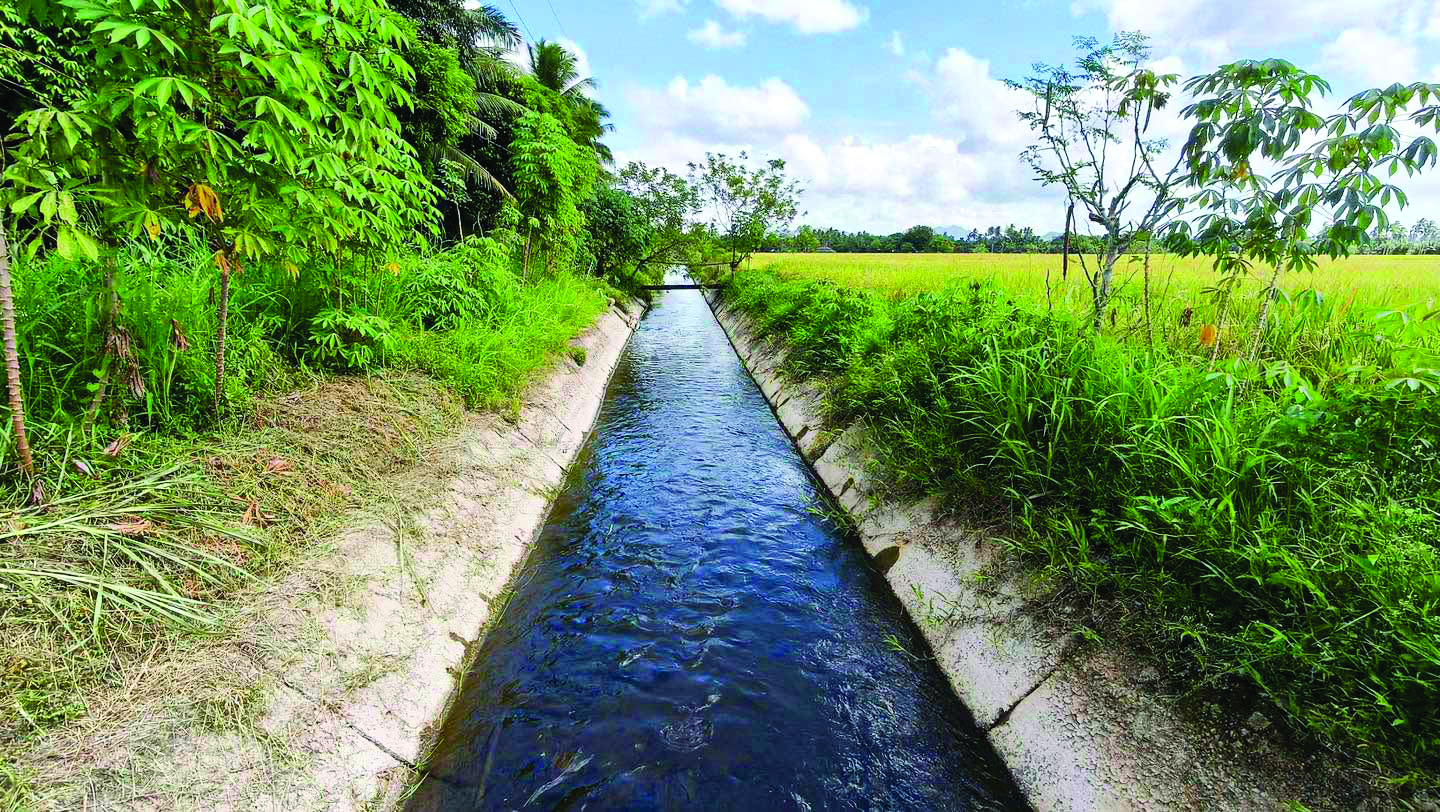
NIA-8 provides irrigation services to approximately 22,000 hectares of agricultural land through its irrigation systems across Eastern Visayas. Another 26,000 hectares are served by communal irrigation systems.
With the possible intensification of dry conditions, the agency said it would continue monitoring water levels and coordinating with relevant agencies and local governments to identify appropriate interventions and provide timely assistance to affected farmers.
The preparations form part of broader efforts to reduce the potential impact of Super El Niño on agricultural production and protect the livelihoods of farming communities across the region.
ROEL T. AMAZONA